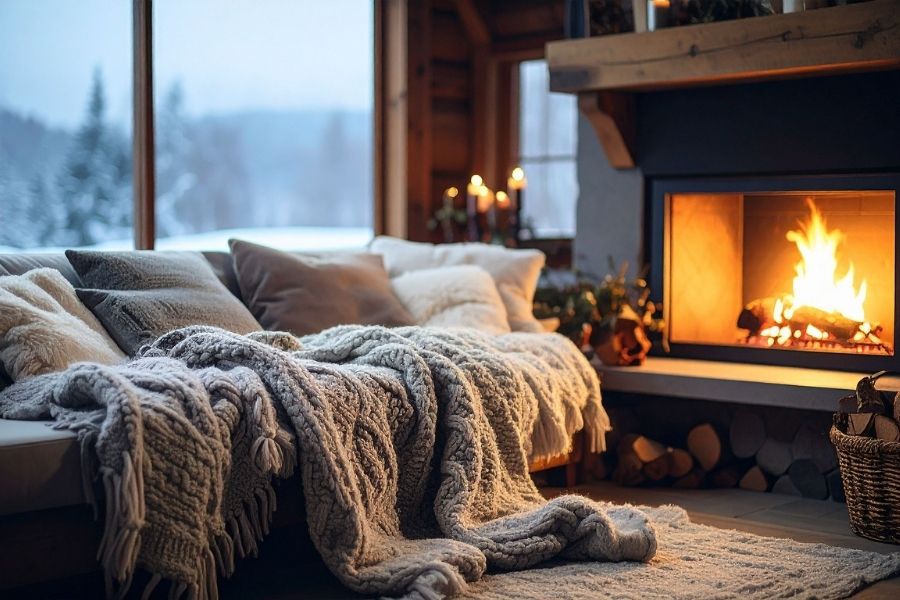
Fireplaces are a winter essential in Lake Tahoe, but they also bring a real risk of chimney fires when they are not properly maintained. Cold temperatures, heavy snowfall, and frequent winter use make it especially important for Lake Tahoe homeowners to understand how to heat their homes safely. With the right preparation, you can enjoy a warm fire without putting your property at risk.
Fireplace & Chimney Safety In Lake Tahoe
Lake Tahoe winters are long and cold, which means fireplaces often run daily. Over time, soot and creosote can build up inside the chimney. Creosote is highly flammable and can ignite when temperatures surge inside the flue. Strong winds and low humidity can also increase the chances of chimney flare-ups.
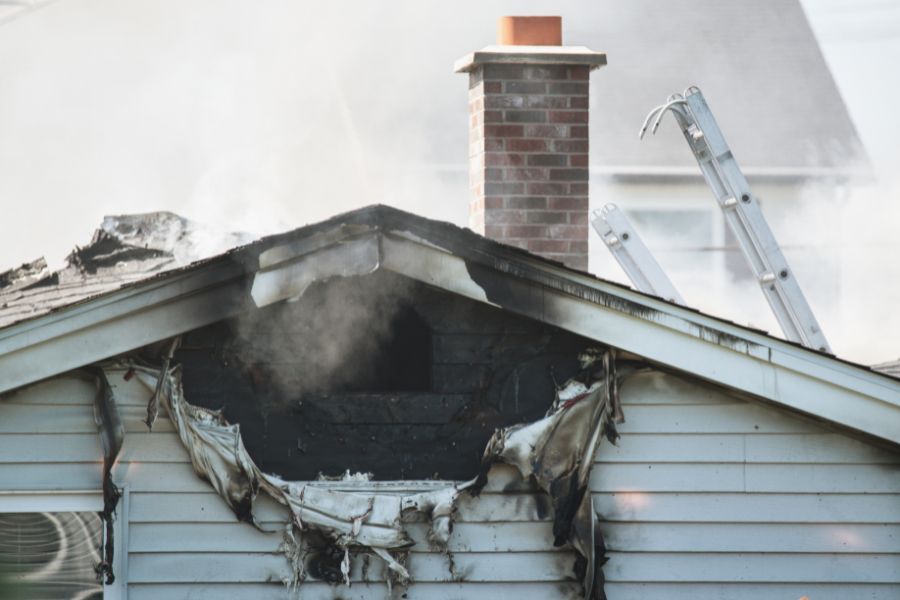
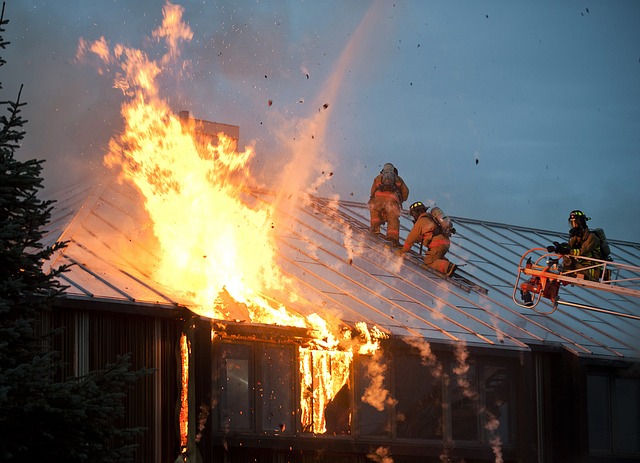
Chimney fires can spread quickly to attics, roofs, and nearby building materials. Preventive maintenance is the most effective way to reduce fire hazards and protect your home through the winter season.
Common Causes Of Chimney & Fireplace Fires
- Creosote Buildup Inside The Chimney: Creosote forms when wood burns at lower temperatures. Slow-burning or smoldering fires cause faster buildup. Thick layers of creosote can ignite easily.
- Blocked Chimneys: Branches, nests, leaves, and debris can block airflow. Restricted ventilation causes heat to collect and increases the risk of ignition.
- Damaged Chimney Liners: Cracked or deteriorated liners allow heat to escape into walls or the attic, creating a fire risk even when the fire appears controlled.
- Burning Improper Materials: Paper, cardboard, trash, and treated wood can send sparks and hot embers into areas where they should not be.
How To Prevent Fireplace & Chimney Fires This Winter
Schedule A Professional Chimney Inspection
A certified chimney technician should inspect your chimney at least once a year. Inspections identify issues such as creosote buildup, blockages, liner damage, and structural concerns.
An annual inspection is important because a chimney may look clean from the outside, but internal flues can hide hazards. Early detection prevents costly repairs and reduces the risk of fire.
Clean The Chimney Before The Winter Season
Chimney sweeping removes creosote, ash, soot deposits, and debris. This reduces flammable materials inside the chimney and improves airflow.
Signs Your Chimney Needs Cleaning:
- Strong smoky odor from the fireplace
- Difficulty starting or maintaining a fire
- Visible soot or black deposits at the opening
- Reduced draft pulling smoke upward
Burn Only The Right Type Of Wood
Use dry, seasoned firewood. Wet or green wood burns at cooler temperatures and increases creosote buildup.
Avoid These Materials:
- Painted or treated wood
- Trash or paper
- Plastic
- Pine needles or yard debris
These items produce sparks and create unsafe burning conditions.
Install A Chimney Cap For Winter Weather
A chimney cap prevents snow, rain, wildlife, and debris from entering the chimney. This helps maintain proper airflow and reduces blockages that increase fire risk.
Additional Benefits Of A Chimney Cap:
- Prevents downdrafts
- Reduces moisture damage
- Stops animals from nesting inside the flue
Maintain Proper Airflow While The Fireplace Is In Use
Good airflow allows smoke and heat to move upward and out of the home. Poor airflow can cause overheating or smoke backup.
Tips for safe operation:
- Open the damper fully before starting a fire
- Do not overload the firebox
- Allow each fire to burn out naturally
- Keep flammable objects at least three feet away
Watch for Warning Signs of Fireplace or Chimney Problems
Common red flags include:
- Smoke entering the home
- Loud popping or cracking sounds in the chimney
- Strong burning smell
- Excessive soot buildup around the hearth
If you notice any of these issues, stop using the fireplace and contact a professional immediately.
What To Do If a Chimney Fire Occurs
- Evacuate everyone safely.
- Call 911 right away.
- Do not use water to extinguish a chimney fire.
- Have a restoration professional inspect the damage once it is safe.
Chimney fires often cause hidden structural damage, so a thorough assessment is essential.
Fire Damage Restoration For Lake Tahoe Homes
If your home experiences a chimney fire or smoke damage, fast action reduces long-term harm. 911 Restoration provides fire cleanup, smoke odor removal, soot removal, and structural repairs. Restoration also includes water damage mitigation if firefighting efforts introduced moisture into the home.
Fireplaces bring comfort during Lake Tahoe winters, but safety should always come first. With the right preparation and maintenance, you can enjoy a warm, safe season. If fire or smoke damage occurs, our trusted professionals are ready to help your home recover. Contact 911 Restoration of Reno Tahoe for fire damage repair in Lake Tahoe.
about
911 Restoration
Your trusted local experts for water, fire, and mold restoration, serving Northern Nevada and Northern California 24/7.