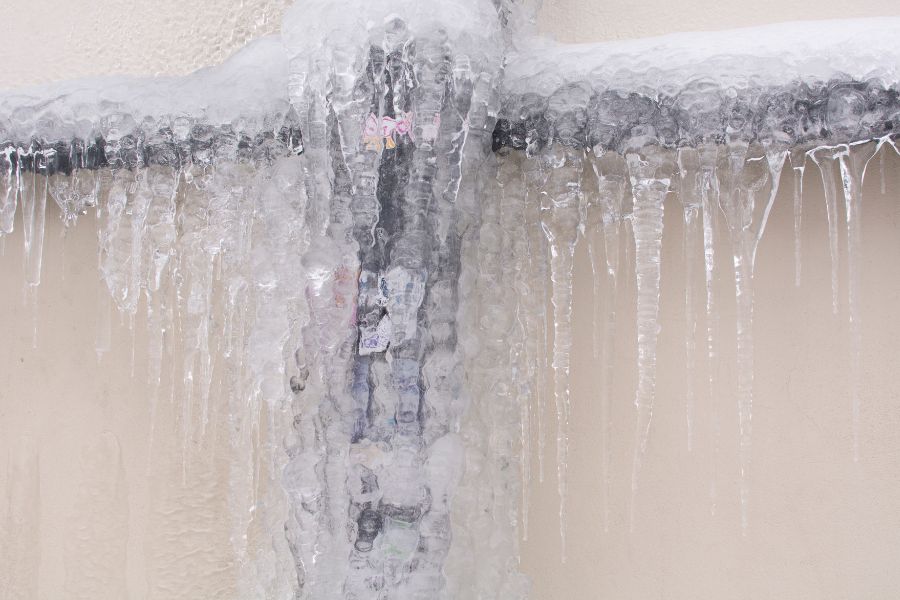
Frozen pipes are one of the most common winter plumbing problems in Lake Tahoe. When temperatures drop, water inside exposed or unprotected pipes can freeze, expand, and cause pipes to burst. The result is often major water damage that spreads quickly through walls, ceilings, and floors. The good news is that with the right steps, many frozen pipe problems are preventable.
Why Frozen Pipes Are Common In Lake Tahoe Winters
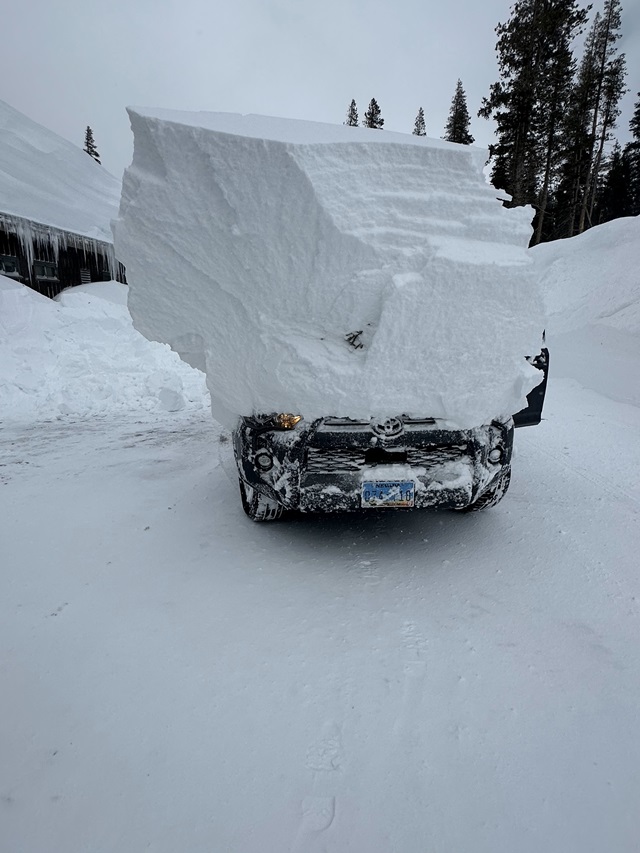
Lake Tahoe homes often face long stretches of below-freezing temperatures, heavy snow, and strong winds. These conditions can push cold air into crawl spaces, attics, garages, and exterior walls. Vacation homes are at even higher risk because heating systems may be turned down, or the home may sit unattended during cold snaps.
What Happens When Pipes Freeze
When water freezes inside a pipe, it expands. This creates pressure that can crack the pipe or break a connection. Many pipes burst when the ice starts to thaw and water begins flowing again.
Top Causes Of Frozen Pipes In Tahoe Homes
Poor Insulation In Crawl Spaces and Attics
Pipes in crawl spaces and attics often have little protection from cold air. If insulation is missing or damaged, freezing becomes more likely.
Unheated Garages & Exterior Walls
Pipes located along exterior walls or in garages can freeze quickly, especially overnight.
Drafts & Air Leaks
Cold air can enter through vents, gaps, and cracks near plumbing lines. Small drafts can cause big temperature drops around pipes.
Low Water Flow During Cold Weather
Water that sits still freezes faster. Overnight periods with no water use can increase risk.
Prevent Frozen Pipes In Lake Tahoe With These Practical Steps
Insulate Pipes In Cold Areas Of The Home
Add Pipe Insulation Sleeves
Use foam pipe insulation on exposed plumbing in crawl spaces, attics, basements, and garages. Pay special attention to pipes near exterior walls.
Seal Drafts Near Plumbing Lines
Use caulk or spray foam to seal gaps where pipes enter walls, floors, and ceilings. Focus on crawl space access points, garage walls, and utility penetrations.
Keep Your Home Warm & Stable During Freezing Temperatures
Maintain A Safe Indoor Temperature
If you are home, keep consistent heat throughout the day and night. If you are leaving town, avoid turning the thermostat down too low.
Open Cabinet Doors Under Sinks
In kitchens and bathrooms, open cabinet doors during cold nights to allow warm air to reach plumbing.
Protect Your Tahoe Vacation Home When You Are Away
Set a “Winter Away” Plan Before You Leave
If your Lake Tahoe home will be empty, do not rely on luck. Frozen pipes often happen when no one is there to notice.
Use Smart Thermostats & Leak Detection
Smart thermostats help maintain stable temperatures. Water leak sensors can alert you quickly if a pipe bursts. These tools can help reduce the time between damage and response.
Shut Off Water & Drain Lines When Appropriate
For extended trips, shutting off the main water supply and draining lines can reduce the chance of severe water damage. If you are unsure how to do this safely for your plumbing system, contact a qualified professional.
Winter Plumbing Tips That Help Prevent Frozen Pipes
Let Faucets Drip During Extreme Cold
A slow drip can keep water moving and reduce freezing risk, especially for pipes on exterior walls.
Disconnect & Drain Outdoor Hoses
Remove hoses and drain outdoor faucets if possible. This helps prevent freezing at hose bibs and nearby interior piping.
Check Crawl Space Vents & Insulation
Make sure insulation is intact and crawl space areas are protected from wind and snow intrusion.
Signs Your Pipes May Be Frozen
Warning Signs To Watch For
- Little to no water flow from a faucet
- Frost on exposed pipes
- Unusual odors from drains
- Visible bulging on a pipe
- Strange noises when you turn on a faucet
If you suspect a frozen pipe, avoid using open flames or high-heat tools. Improper thawing can cause damage or create a fire hazard.
What To Do If A Frozen Pipe Bursts In Your Tahoe Home
Immediate Steps To Reduce Water Damage
- Shut off the main water supply if you can do so safely.
- Turn off electricity in affected areas if water is near outlets or electrical panels.
- Call a professional water damage restoration team right away.
- Document damage with photos for insurance purposes if it is safe.
Water Damage Restoration After A Burst Pipe In Lake Tahoe
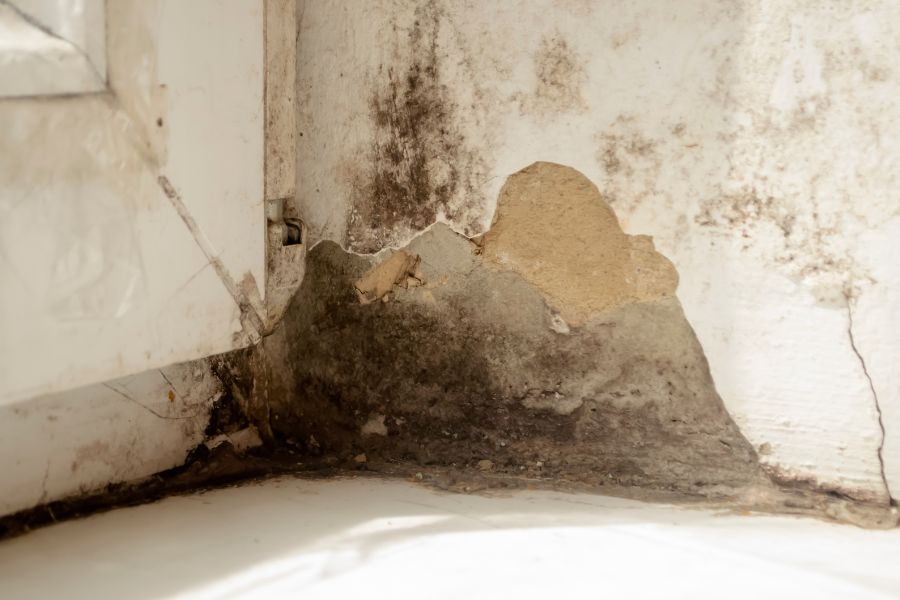
Even a small burst pipe can soak insulation, drywall, flooring, and personal belongings. Quick water extraction and professional drying are important for preventing mold growth and secondary damage.
911 Restoration of Reno Tahoe provides emergency water damage restoration services to help Lake Tahoe property owners recover after burst pipes and winter water damage. Professional mitigation can include water removal, structural drying, moisture detection, sanitation, and support with the insurance process.
Call 911 Restoration Of Reno Tahoe Winter Water Damage Happens
Preventing frozen pipes is always the goal, but winter weather can still cause unexpected problems. If your Lake Tahoe home experiences a burst pipe or water damage, fast response helps reduce repairs and protect your property. Contact 911 Restoration of Reno Tahoe for 24/7 emergency restoration services in Northern Nevada.
about
911 Restoration
Your trusted local experts for water, fire, and mold restoration, serving Northern Nevada and Northern California 24/7.