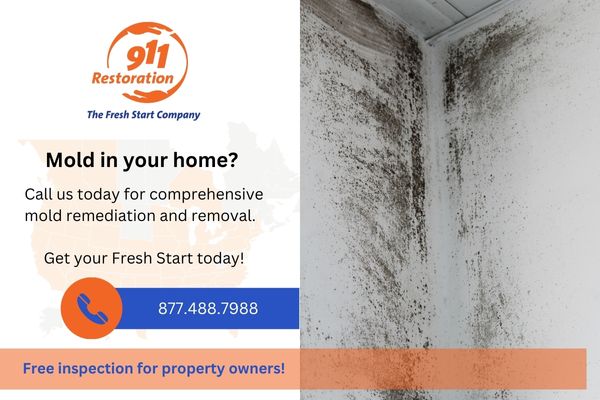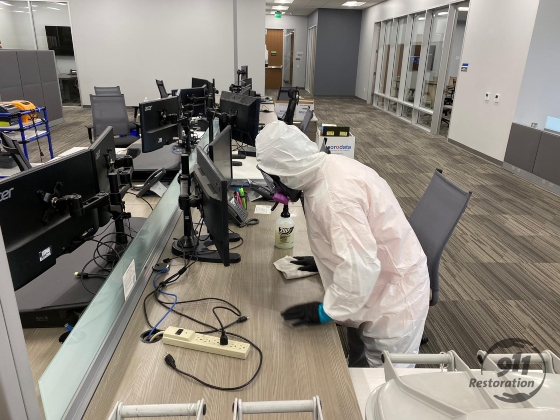

When most property owners in Reno-Tahoe think about an emergency, they picture one problem. In reality, damage often comes in a chain reaction, which is why Fire Damage Restoration, Water Damage Restoration, and Mold Removal & Remediation are often needed on the same job.
Understanding how these services connect helps you move faster, reduce secondary damage, and get your home or business back to normal safely.
Why Fire Damage Often Leads to Water Damage in Reno-Tahoe Homes
Even a small blaze can turn into a major cleanup once suppression efforts begin. In many cases, Fire Damage Restoration includes addressing soaked materials and secondary issues that require Water Damage Restoration right away.
If water is left behind, it can spread beyond the original area and damage adjoining rooms, lower levels, and concealed cavities.
How Water Damage After a Fire Creates a Mold Risk
If wet drywall, insulation, or subflooring is not dried fast and thoroughly, mold-friendly conditions can develop quickly, which is when Mold Removal & Remediation becomes the next step. Smoke and soot residue can also complicate cleanup, and mold may develop behind surfaces before you ever see it.
Common Scenarios Where One Disaster Becomes Three
Many Reno-Tahoe property owners are surprised by how often fire, water, and mold overlap. Here are a few of the most common scenarios:
Fire Suppression Water Soaks Building Materials
Water from firefighting efforts can saturate drywall, carpet, padding, and subfloors. Even when surfaces look dry, moisture can remain trapped inside.
Sprinkler Systems Trigger Widespread Moisture
Sprinklers are effective at slowing flames, but they can soak large areas quickly, including untouched rooms.
Smoke Damage Leads to Sealed-Up Spaces
After a fire, properties are often boarded up to secure the structure. If moisture is present, reduced ventilation can accelerate mold growth.
HVAC & Ductwork Spread Moisture & Particles
After a fire, soot, humidity, and contaminants may travel through ducts, which can complicate drying and cleaning.
Warning Signs You May Have Water Damage After a Fire
Not sure if you are dealing with water damage in addition to fire damage? These are common red flags:
Visible Wet Spots or Staining
Discoloration on ceilings or walls, bubbling paint, or warped baseboards can indicate trapped moisture.
Musty Odors That Get Stronger Over Time
A persistent musty smell can be an early indicator of mold growth after hidden moisture.
Soft or Spongy Floors
If flooring feels soft underfoot, moisture may be impacting the subfloor.
Condensation & Humidity That Does Not Improve
If rooms feel damp days after the fire, drying may be incomplete.
Why Fast Drying & Dehumidification Matters for Mold Prevention
In restoration, speed matters, but so does doing the work correctly. The goal is to remove water, stabilize humidity, and dry structural materials thoroughly, not just surface-level.
Structural Drying Reduces Secondary Damage
Professional drying helps prevent swelling, warping, and deterioration of building materials.
Moisture Readings Confirm What You Cannot See
Proper equipment allows technicians to identify moisture behind walls and under flooring so nothing is missed.
Containment Helps Prevent Cross-Contamination
If mold is suspected, containment and negative air measures may be needed to keep spores from spreading.
What to Do First After Fire, Water, or Mold Damage
When emergencies overlap, the order of operations is important. Here is a practical game plan:
1) Ensure the Property Is Safe to Enter
Wait for clearance from local authorities and address immediate hazards like electricity, gas, and structural instability.
2) Document the Damage
Take photos and notes for insurance. Do not discard items until they are documented, unless they are unsafe.
3) Start Mitigation, Not Cosmetic Cleanup
Avoid DIY cleanup that could spread soot or disturb contaminated materials. Focus on stopping ongoing damage and calling professionals.
4) Begin Water Extraction & Drying Immediately
Even if the fire appears to be the main issue, drying is often what prevents the mold problem from starting.
How 911 Restoration of Reno-Tahoe Handles Multi-Service Emergencies
When fire, water, and mold are connected, it helps to have a restoration team that can manage the full scope, including:
Emergency Water Removal & Drying
Extraction, dehumidification, and structural drying to prevent secondary damage.
Smoke, Soot, & Odor Removal
Targeted cleaning to address residue on surfaces and in the air.
Mold Inspection & Remediation (If Needed)
Identification of affected materials, controlled removal, and preventative steps.
Reconstruction Support When Materials Must Be Rebuilt
Once mitigation is complete, some projects require rebuilding materials that could not be saved, and Reconstruction helps restore the space back to pre-loss condition.
Get Help for Fire, Water, & Mold Damage in Reno-Tahoe
When one emergency turns into three, you do not need three different contractors. You need a restoration plan that addresses immediate hazards, stops the damage from spreading, and prevents long-term issues like mold.
If your property has been impacted by fire suppression water or you suspect moisture and mold are becoming part of the problem, contact 911 Restoration of Reno-Tahoe for help.
about
911 Restoration
Your trusted local experts for water, fire, and mold restoration, serving Northern Nevada and Northern California 24/7.