Discovering water damage in your Lake Tahoe home is stressful, especially when you are hours away or returning after a long season away. Homes around Lake Tahoe face a distinct set of risks year-round, from winter snowpack and ice dams to spring snowmelt and summer thunderstorms. Knowing the right steps to take immediately can mean the difference between a manageable repair and a full-scale restoration.
Why Lake Tahoe Homes Are Especially Vulnerable to Water Damage
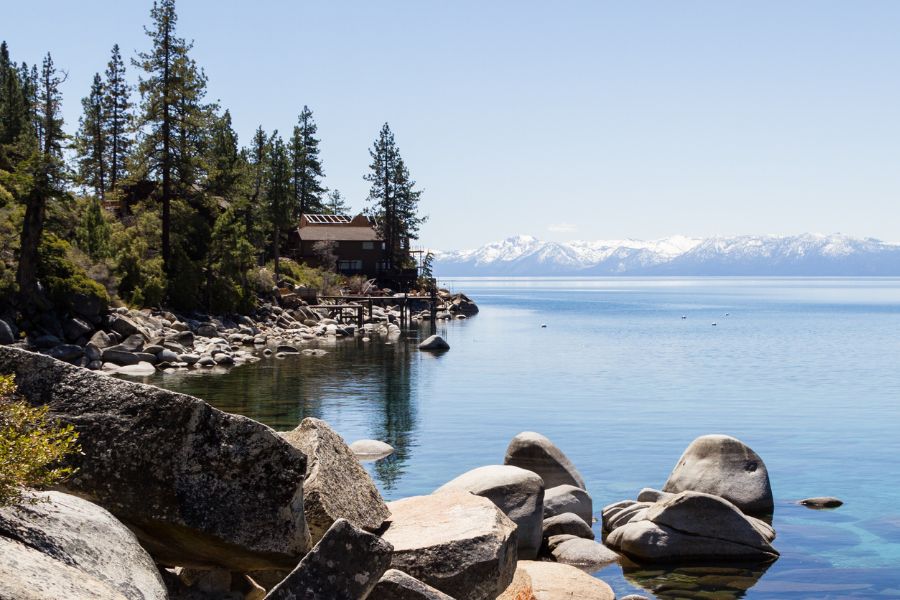
Lake Tahoe properties sit at elevations that bring heavy snowfall, rapid freeze-thaw cycles, and significant moisture throughout the year. Many homes in areas like South Lake Tahoe, Tahoe City, Incline Village, Tahoma, and Zephyr Cove are used as vacation rentals or second homes. When a property sits vacant, water damage can go undetected for days or weeks, compounding the problem before anyone arrives.
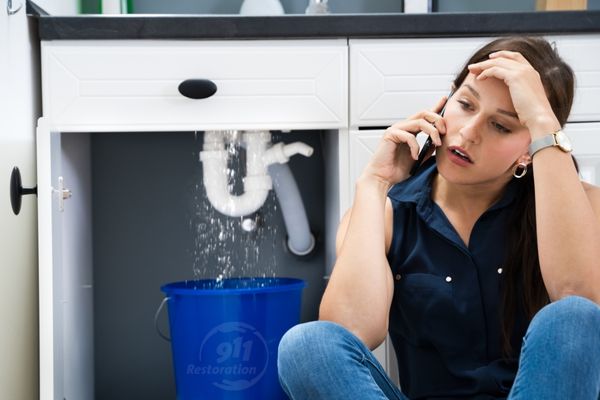
Common causes of water damage in Lake Tahoe homes include burst pipes from freezing temperatures, ice dam roof leaks, snowmelt foundation intrusion, storm drainage issues, and appliance failures.
Step 1: Ensure Safety Before Entering Affected Areas
Before you do anything else, confirm the affected area is safe to enter. If there is standing water near electrical outlets, panels, or appliances, do not enter until power to the area has been shut off at the breaker. Structural damage from flooding or roof leaks can also compromise flooring and ceilings.
When to Avoid the Area Entirely
Some situations require you to stay out until a professional arrives. These include sewage-related flooding, visible structural damage such as sagging ceilings, and any situation where the water source has not yet been identified or stopped.
Step 2: Stop the Water Source If Possible
If the damage is from a burst pipe, supply line, or leaking appliance, locate and shut off the main water supply to the home. Many Lake Tahoe homeowners install shutoff valves that can be controlled remotely or set up smart water sensors, which can make a significant difference when the property is unoccupied during winter months.
What to Do If the Source Is External
If the water is coming from a roof leak, ice dam, foundation seepage, or storm flooding, stopping the source is not always possible right away. In those cases, focus on limiting the spread of moisture inside the home.
Step 3: Document the Damage Thoroughly
Before moving anything or starting any cleanup, photograph and video the affected areas in detail. Capture standing water, saturated materials, staining on walls and ceilings, and any visible structural concerns. This documentation is important for your insurance claim and for the restoration team.
Tips for Documenting Water Damage for Insurance
Take photos from multiple angles and include wide shots of each room as well as close-ups of specific damage. Note the date and time of discovery. If you have receipts, photos, or records of affected belongings, gather those as well.
Step 4: Contact Your Insurance Company
Notify your homeowner’s insurance carrier as soon as possible after discovery. Most policies require prompt reporting to avoid claim complications. Your insurer will typically assign an adjuster to assess the damage and determine coverage.
Understanding Your Coverage for Lake Tahoe Water Damage
Standard homeowner’s insurance typically covers sudden and accidental water damage, such as burst pipes and appliance failures. It generally does not cover flooding from outside the home, which may require a separate flood insurance policy. Policies can vary, so review your coverage details and ask your insurer specific questions about what applies to your situation.
Step 5: Begin Water Removal and Ventilation Quickly
Time is a major factor in water damage recovery. The longer moisture sits inside walls, flooring, and structural materials, the greater the risk of mold growth. Mold can begin developing within 24 to 48 hours in the right conditions, and Lake Tahoe’s climate can make drying more challenging depending on the season.
How to Limit Moisture Spread Before Help Arrives
If it is safe to do so, you can take a few steps to slow damage while waiting for a restoration team:
- Remove standing water using towels, mops, or a wet/dry vacuum if available
- Open windows and interior doors to improve airflow, weather permitting
- Place fans to circulate air and aid drying
- Remove wet rugs or portable items from the affected area
- Avoid using standard household vacuums on standing water
These steps are not a substitute for professional drying, but they can help reduce moisture saturation in the early hours.
Step 6: Avoid Common Mistakes That Make Water Damage Worse
Well-meaning attempts to clean up water damage can sometimes cause additional problems.
What Not to Do After Discovering Water Damage
- Do not use a regular vacuum or electrical appliance near standing water
- Do not turn on the HVAC system if moisture has entered the ducts
- Do not paint over water stains or damaged drywall without first addressing the moisture source
- Do not attempt to dry inside walls without professional moisture detection equipment
- Do not delay calling a restoration professional, even if visible water has been removed
Hidden moisture trapped inside walls, insulation, or subfloor materials will continue to cause damage long after the surface looks dry.
Step 7: Call a Professional Water Damage Restoration Company
For most water damage situations, professional restoration is the most reliable path to a thorough recovery. Certified restoration technicians use moisture meters, thermal imaging, industrial dehumidifiers, and air movers to identify and eliminate moisture that is not visible to the naked eye.
What to Expect from a Professional Water Damage Restoration in Lake Tahoe
A professional restoration response typically includes:
- Emergency water extraction and removal
- Moisture mapping and assessment using professional equipment
- Structural drying with industrial dehumidification
- Sanitization of affected areas when contamination is present
- Mold prevention treatment as needed
- Coordination with your insurance company
- Reconstruction services to restore damaged drywall, flooring, and finishes
For vacation homes and rental properties in Lake Tahoe, fast professional response is especially important because delays can lead to greater structural damage, higher repair costs, and potential impacts on rental income.
How 911 Restoration of Reno Tahoe Responds to Lake Tahoe Water Damage
911 Restoration of Reno Tahoe provides 24/7 emergency water damage restoration to homeowners across the Lake Tahoe basin, including South Lake Tahoe, Tahoe City, Incline Village, Kings Beach, Tahoma, Zephyr Cove, and surrounding communities. Our IICRC certified team responds within 45 minutes and handles every step of the recovery process, from initial water extraction through complete reconstruction.
Whether your Lake Tahoe home has experienced a burst pipe, roof leak, foundation flooding, or appliance failure, our team is ready to help you get back to normal.
If you discover water damage in your Lake Tahoe home, contact 911 Restoration of Reno Tahoe right away. Fast action protects your property and limits long-term damage.
about
911 Restoration
Your trusted local experts for water, fire, and mold restoration, serving Northern Nevada and Northern California 24/7.