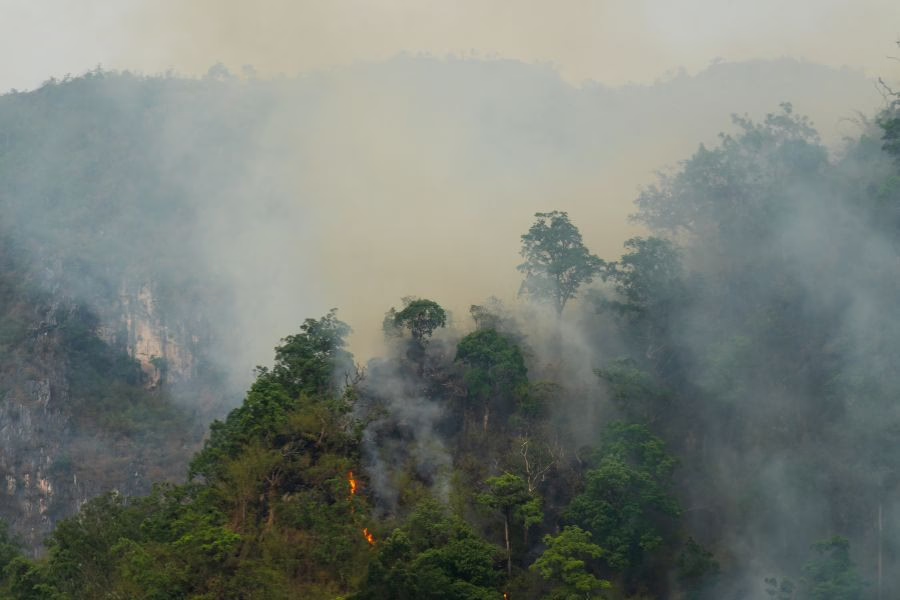
Wildfire smoke can affect your home even when flames never reach your property. Smoke, ash, and fine soot particles can enter through windows, doors, vents, small gaps, and HVAC systems, leaving behind odors and residue throughout the house.
If you notice a smoky smell, visible ash, or soot inside your home after wildfire smoke exposure, knowing what to do next can help prevent further damage.
The first steps are simple: make sure your home is safe to occupy, limit additional smoke from getting inside, document the damage before cleaning, and avoid disturbing heavy soot or ash. If smoke residue or odor remains after the outdoor air clears, professional fire and smoke damage restoration may be needed to address contamination throughout the home.
What to Do After Wildfire Smoke Damage in Your Home
Smoke damage is not always obvious. Even if your home looks normal at first glance, fine particles can settle on surfaces, fabrics, belongings, and inside areas you cannot easily see.
1. Make Sure Your Home Is Safe to Enter
If a wildfire has directly threatened your neighborhood or property, do not return until local authorities have said it is safe to do so.
If your home was exposed primarily to drifting wildfire smoke, continue limiting outdoor air while air quality remains poor. Keep windows and doors closed and, when appropriate for your system, use your HVAC system’s recirculation setting rather than bringing smoky outdoor air inside.
Once outdoor conditions improve, you can begin assessing whether smoke or ash has affected your home.
2. Document Wildfire Smoke and Soot Damage Before Cleaning
Before wiping surfaces or throwing anything away, take photos and videos of the affected areas.
Look for:
- Ash or soot on windowsills and counters
- Dark residue around vents
- Discoloration on walls or ceilings
- Smoke-affected furniture or fabrics
- Ash on outdoor surfaces near doors and windows
- Rooms with noticeable smoke odor
Documentation may be important if you plan to file an insurance claim. Every policy is different, so contact your carrier directly to confirm your coverage. You can also learn more about insurance and restoration claims or read our guide to homeowners insurance and smoke damage.
3. Avoid Dry Sweeping or Scrubbing Wildfire Ash
It may be tempting to immediately sweep, dust, or vacuum visible ash, but aggressive cleaning can send fine particles back into the air or spread soot across surfaces.
Avoid dry sweeping heavy ash and do not use a standard household or shop vacuum on significant ash deposits. For light residue, damp cleaning methods and HEPA-filtered equipment can help reduce the amount of material that becomes airborne.
If ash or soot is widespread, oily, difficult to remove, or present throughout several rooms, professional cleanup is usually the safer option.
4. Check Your HVAC Filter and Vents for Smoke Residue
Your HVAC system is one of the most important areas to check after wildfire smoke exposure.
Smoke particles may enter through fresh-air intakes or circulate throughout the home. Inspect your HVAC filter and replace it if it is visibly dirty. A higher-efficiency filter, such as MERV 13, may provide better particle filtration if your specific HVAC system can accommodate it.
Also look around supply and return vents for visible ash or soot.
If you notice heavy residue around vents or particles coming from your registers, have the system evaluated rather than assuming a filter change alone will solve the problem.
5. Do Not Throw Away Smoke-Damaged Belongings Too Quickly
Smoke odor does not always mean an item is permanently damaged.
Clothing, furniture, rugs, electronics, documents, and other belongings may be salvageable with the appropriate cleaning process. Before disposing of anything significant, document the item and check with your insurance provider or restoration team.
Professional contents cleaning may be able to remove soot and odor from materials that would otherwise seem beyond saving.
How Do You Know If Wildfire Smoke Has Damaged Your Home?
Some wildfire smoke damage is easy to spot. Other signs may not become noticeable until outdoor smoke has cleared.
Signs of Wildfire Smoke Damage Inside a House
Common signs include:
- A persistent campfire or smoky odor indoors
- Fine ash or dark dust on surfaces
- Black or gray residue around vents
- Staining on walls or ceilings
- Smoke odor trapped in carpets or upholstery
- Odors inside closets or cabinets
- Residue on windows, doors, or exterior openings
- Smoke smells that return when the HVAC system runs
If you are dealing primarily with stubborn soot or odors, our guide to smoke odor removal and soot cleanup in Reno explains why these problems may require more than ordinary household cleaning.
Can a Home Have Smoke Damage Without Being Burned?
Yes. A home does not have to be touched by flames to experience wildfire smoke damage.
Wind can carry smoke and ash a significant distance, where particles may enter homes through ventilation systems, attic vents, gaps around windows and doors, fireplaces, garages, and other openings.
That means a property can have no structural fire damage but still need smoke odor removal, soot cleanup, or professional cleaning.
Why Wildfire Smoke Damage Can Be Difficult to Clean
Wildfire smoke is made up of extremely small particles and gases produced by burning materials. Once inside a home, that residue does not necessarily stay on easy-to-clean surfaces.
Where Smoke Odor and Soot Can Settle
Smoke residue may affect:
- Drywall and ceilings
- Carpet and padding
- Furniture and upholstery
- Curtains and other fabrics
- Cabinets and wood surfaces
- Attics and crawl spaces
- Insulation
- HVAC components
- Clothing and personal belongings
Porous materials are especially good at holding onto smoke odor. This is why spraying air freshener, opening windows, or wiping down counters may make the house smell better temporarily without addressing the actual source.
Professional smoke damage restoration focuses on removing the residue causing the odor rather than simply covering up the smell.
When Should You Call for Professional Smoke Damage Cleanup in Reno Tahoe?
Not every home exposed to wildfire smoke will require professional restoration. However, widespread soot, ash, or persistent odor may be difficult to address with routine household cleaning.
Professional Wildfire Smoke Cleanup May Be Needed If:
- Smoke odor remains after outdoor air quality improves
- Soot or ash appears in multiple rooms
- You see residue around HVAC vents
- Carpets, furniture, or other porous materials smell strongly of smoke
- Walls or ceilings have visible smoke staining
- Ash has entered attic or crawl spaces
- Smoke has affected valuable or difficult-to-clean belongings
- DIY cleaning does not remove the smell
- The property was close enough to a fire to experience heavier contamination
A professional inspection can help determine how far smoke traveled and which materials need cleaning, deodorization, or removal.
For homes that experienced more extensive wildfire effects, you can also read about what happens during wildfire damage restoration.
What Does Professional Wildfire Smoke Damage Restoration Include?
The exact restoration process depends on how heavily the property was affected.
Smoke and Soot Damage Restoration May Include:
- Inspection of affected rooms and materials
- Smoke and soot residue removal
- Cleaning walls, ceilings, and hard surfaces
- Contents cleaning
- Odor treatment and deodorization
- Cleaning or removing heavily affected materials
- HVAC-related inspection and cleaning recommendations
- Documentation for insurance purposes
- Repairs when property materials have been damaged
If the home was directly affected by fire, cleanup may also involve structural repairs or water damage restoration for water used during firefighting efforts.
The goal is to address both the visible damage and the hidden residue that may continue causing odor long after the smoke outside disappears.
Wildfire Smoke Damage FAQs
Can Wildfire Smoke Damage a House That Did Not Burn?
Yes. Wildfire smoke and ash can travel into homes that were never touched by flames. Smoke may enter through doors, windows, vents, HVAC systems, attics, fireplaces, and small openings around the structure.
How Long Does Wildfire Smoke Smell Last in a House?
There is no set timeline. A mild smoke smell may fade once outdoor air improves and the home is aired out, while smoke absorbed into carpet, upholstery, drywall, insulation, or other porous materials may linger much longer.
If the odor keeps returning, smoke residue may still be present somewhere in the home.
Can I Clean Wildfire Ash Myself?
Small amounts of light surface dust may be manageable with appropriate protective equipment and damp or HEPA-filtered cleaning methods. Avoid dry sweeping or using a standard vacuum, which may send ash particles back into the air.
For widespread ash, heavy soot, contamination from burned structures, or residue throughout the home, professional cleanup is recommended.
Should I Replace My HVAC Filter After Wildfire Smoke?
Check your filter after a significant smoke event and replace it if it appears dirty. Consider a higher-efficiency filter such as MERV 13 if your HVAC manufacturer or technician confirms that your system can accommodate it.
Visible soot around vents or continued smoke odor when the HVAC system runs may indicate that a more thorough inspection is needed.
How Soon Should Wildfire Smoke Damage Be Cleaned?
Once conditions are safe, it is best to assess and address smoke damage as soon as reasonably possible. Soot and smoke residue may become more difficult to clean from certain materials over time, and odors can settle deeper into porous surfaces.
Call 911 Restoration of Reno Tahoe for Wildfire Smoke Damage Cleanup
Wildfire smoke can leave behind more than a temporary smell. Ash, soot, and smoke residue may spread throughout your home, affecting surfaces, belongings, and indoor spaces even when flames never reached the property.
911 Restoration of Reno Tahoe provides professional fire and smoke damage restoration throughout Reno, Sparks, Carson City, Lake Tahoe, Truckee, and surrounding Northern Nevada and Northern California communities.
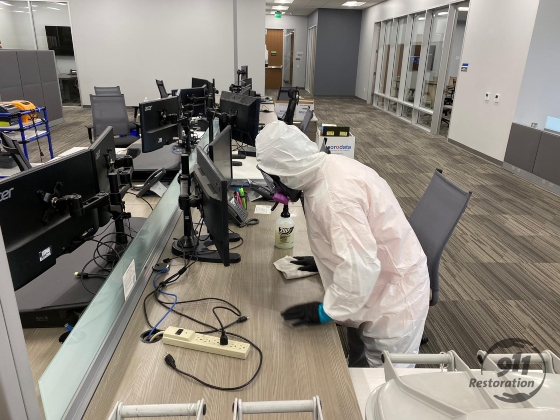
Our team is available 24/7 to inspect the damage, identify affected areas, clean smoke and soot residue, address lingering odors, and help you move toward a Fresh Start.
Contact 911 Restoration of Reno Tahoe to schedule a free visual inspection or call for emergency smoke and fire damage restoration.
about
911 Restoration
Your trusted local experts for water, fire, and mold restoration, serving Northern Nevada and Northern California 24/7.